
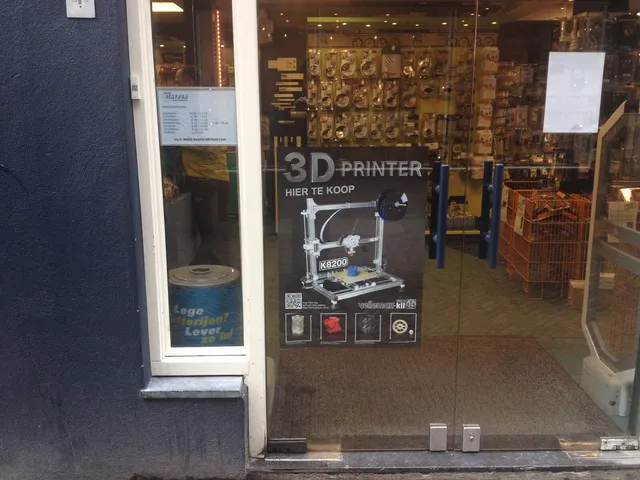
3D printer Black Friday prices: what each maker cut in 2025
3D printer Black Friday prices in 2025: 23 printers sold a median 23% ($120) below US launch price on makers' own stores. Sale dates and combo prices by maker.
What the numbers and terms on a spec sheet mean, before you compare printers.
Updated
3D printer Black Friday prices in 2025: 23 printers sold a median 23% ($120) below US launch price on makers' own stores. Sale dates and combo prices by maker.
3D printer combo prices at US launch: 25 printer and multicolor unit bundles from $369 to $2,199. The combo added $50 to $300, a median of $160.
3D printer price range from the database: shipping desktop printers launched at $199 to $3,799, median $549. Prices by band, by enclosure class and by feature.
Are 3D printers getting cheaper? The cheapest launch price has stayed at $199 to $299 since 2022, but heated chambers, enclosures and extra nozzles now launch far lower.
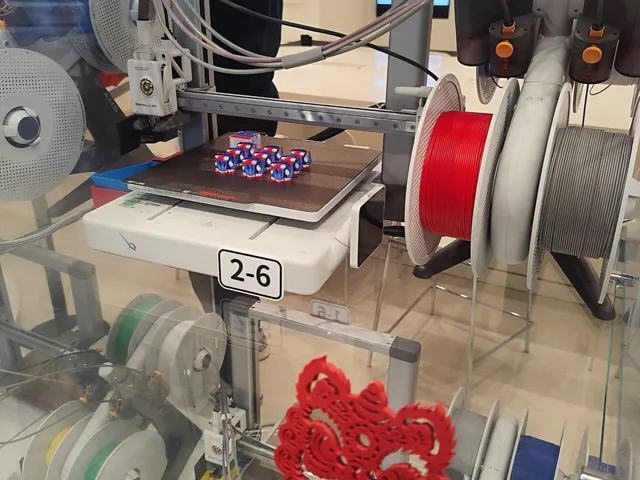
Not by much: median claimed top speed is 500 to 600 mm/s from $300 to $1,000, and a 1,000 mm/s claim starts at $549. Speed, acceleration and flow by price.
Yes until 2025, not in 2026: this year's releases claim a median 500 mm/s, down from 600 mm/s for 2024 and 2025. Claimed speed, acceleration and flow by year.
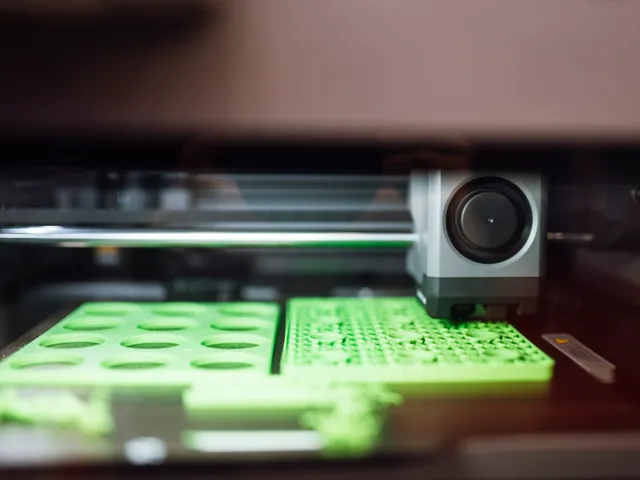
A 300 mm bed has 37% more area than a 256 mm bed, and a 350 mm bed 87% more. What fits on each size, with everyday objects and sizes in inches.
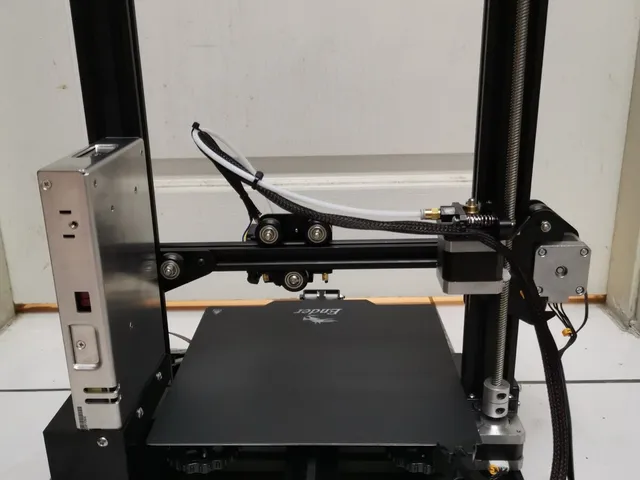
The Ender-3 versions a used listing can be, with year, extruder, leveling and launch price, the $179 new V3 SE it has to beat, and the Ender-3 checks.
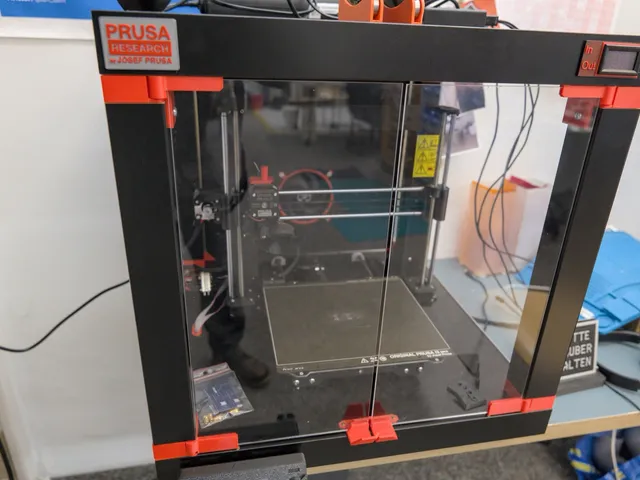
What to check on a used Prusa printer: which models are discontinued, Prusa's US prices and official upgrade kits on 2 November 2026, and what a used MK3S is worth.
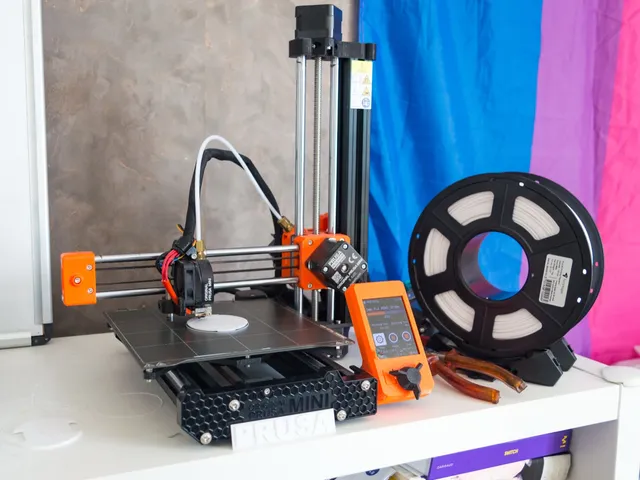
What a cantilever 3D printer is, why its one-sided arm keeps it small, which printers use the design, and what to check on the spec sheet before you buy.
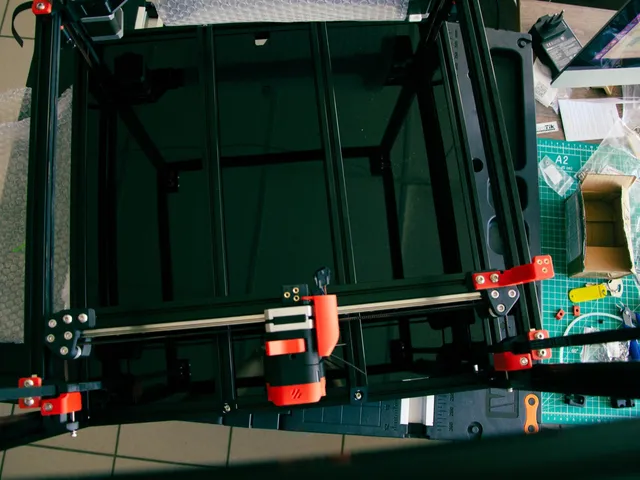
CoreXY vs H-bot explained, plus CrossXY, CoreXZ and hybrid CoreXY: how each belt layout moves the toolhead and where you meet it on a spec sheet.
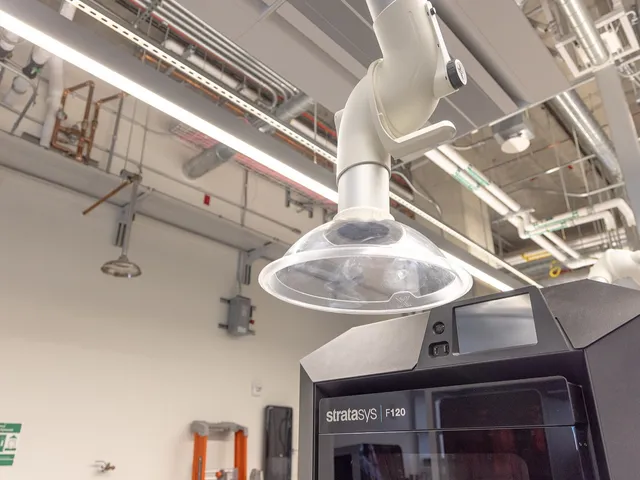
Do enclosed 3D printers reduce fumes? Only through a filter: 21 of 25 shipping enclosed printers fit one. HEPA vs carbon, and what each maker fits as standard.
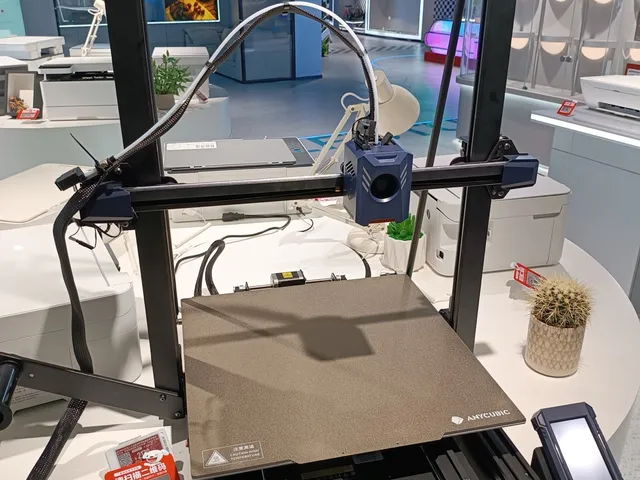
How to get a 3D printer cheaply: skip the combo, buy the outgoing model, refurbished, in a sale, as a kit or used, with dated savings and when to buy.
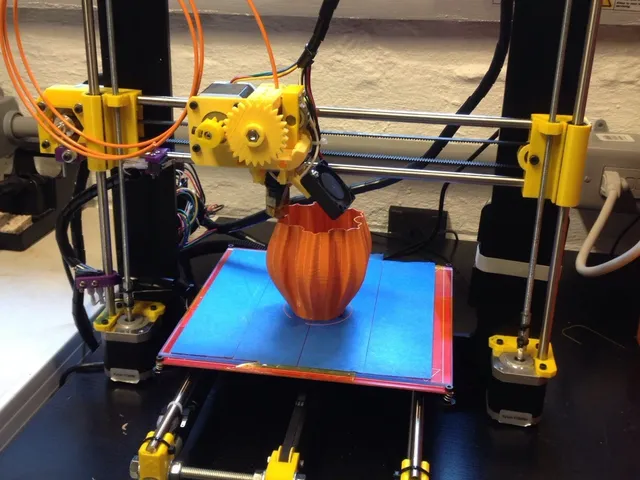
Tall and heavy prints by motion system: why a bedslinger's moving bed shakes tall parts, what CoreXY, gantry and delta printers do instead, and the tallest of each.
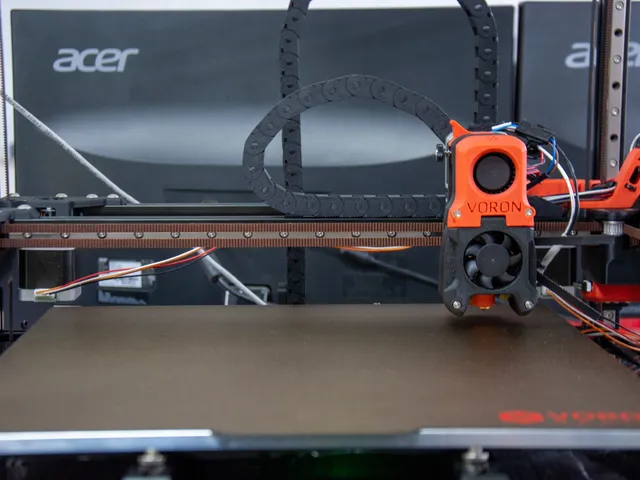
There is no official standard 3D printer bed size. The most common are 256 × 256 and 220 × 220 mm, and the median shipping printer in the database builds 17.6 liters.
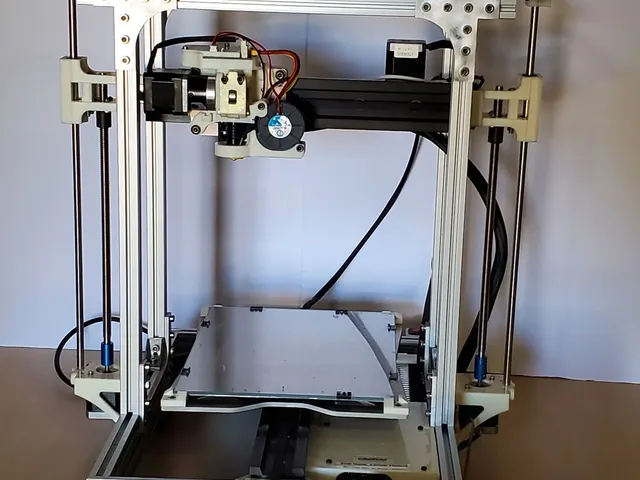
Where Bambu Lab, Prusa, Klipper and Marlin printers record their print hours, which parts wear with use, what replacements cost, and how long makers support a printer.
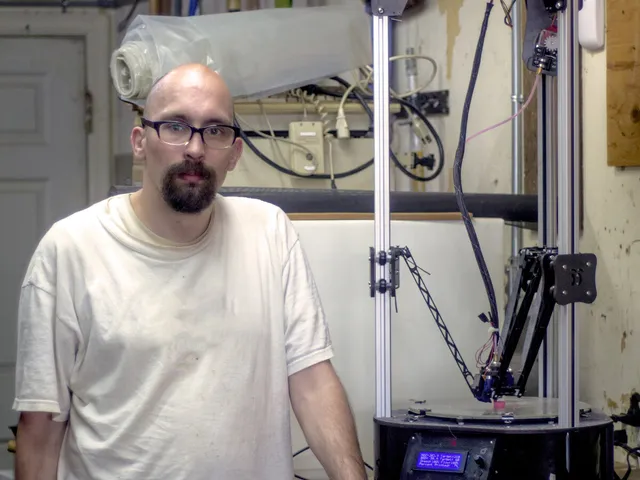
What a delta 3D printer is, how three towers and six arms move the nozzle over a round fixed bed, and which makers still sell delta printers.
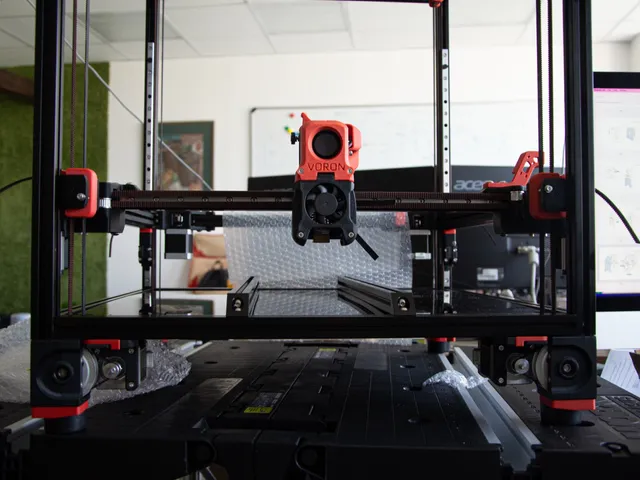
What CoreXY means on a 3D printer: two fixed motors, two belts, the A/B motor math, how the belts are routed, whether it counts as Cartesian and who invented it.
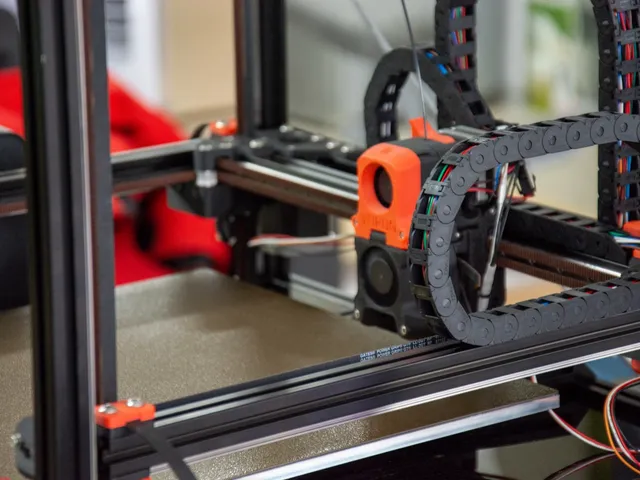
Why CoreXY 3D printers accelerate harder than bedslingers: moving mass, resonance and makers' acceleration claims, plus the bedslingers that match them.
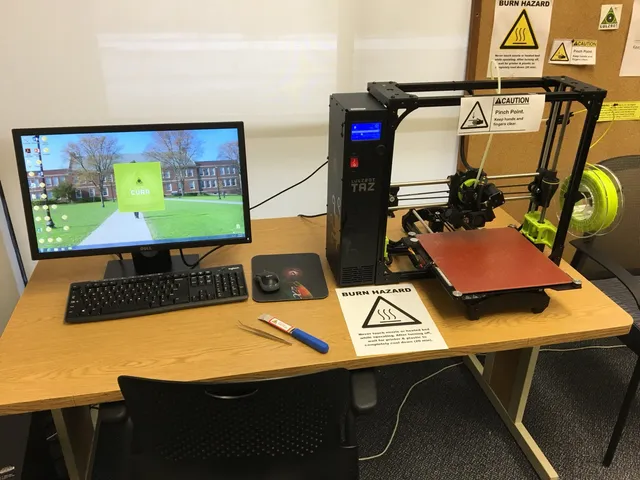
3D printer dimensions and weights from maker spec sheets, from a 347 mm compact to a 1.4 m large-format machine, plus the desk space bed travel and add-ons need.
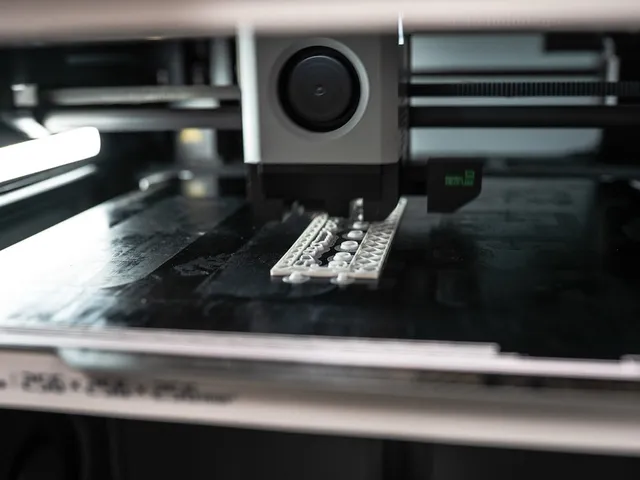
Do 3D printer speed claims mean anything? What max speed, acceleration and volumetric flow each measure, with worked examples from manufacturer figures.
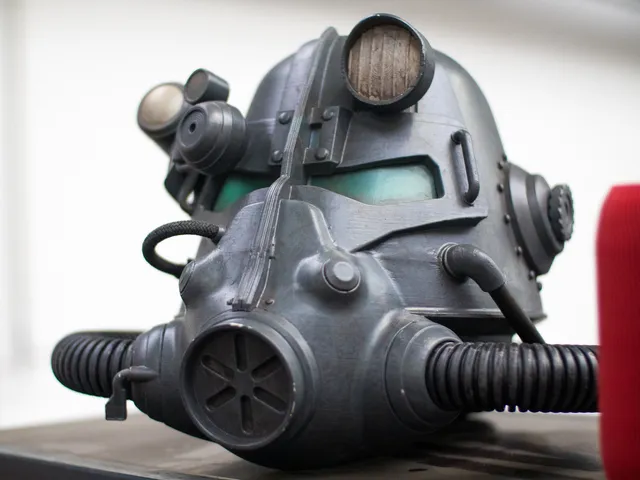
A one-piece helmet needs about a 256 x 256 mm bed: a large adult head is 211 mm long before shell and padding. Printer sizes for helmets, props and masks.
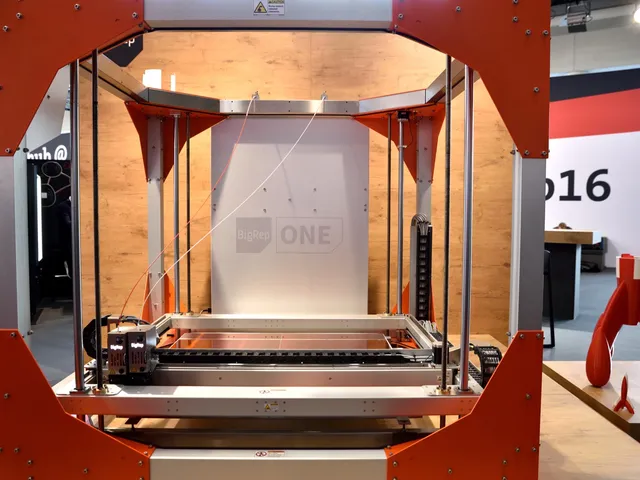
How much a large 3D printer costs: launch prices of every shipping printer with a 300 mm bed, from $469 to $3,799, by price band, and why bigger costs more.
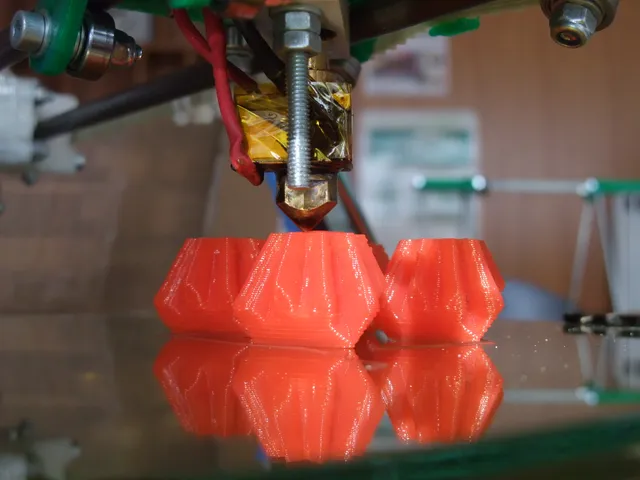
What max volumetric flow rate means on a 3D printer spec sheet, how to turn mm³/s into print speed, what limits it, and how to compare printers by flow.
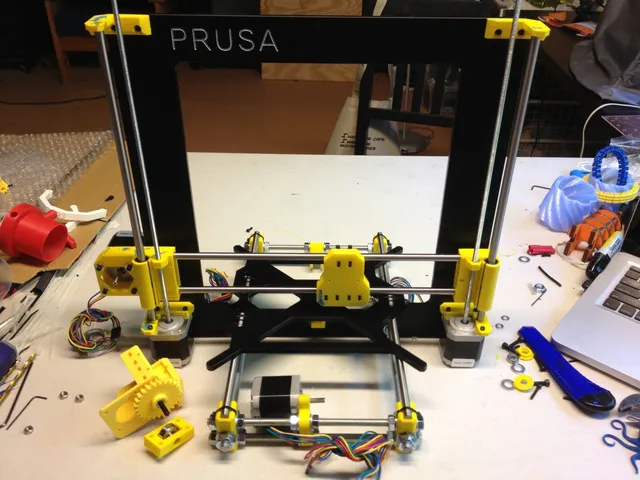
3D printer kit prices on US stores, 27 October 2026: Prusa kits $290 to $300 under assembled (MK4S $709 vs $999), plus Rat Rig and Voron kit prices.
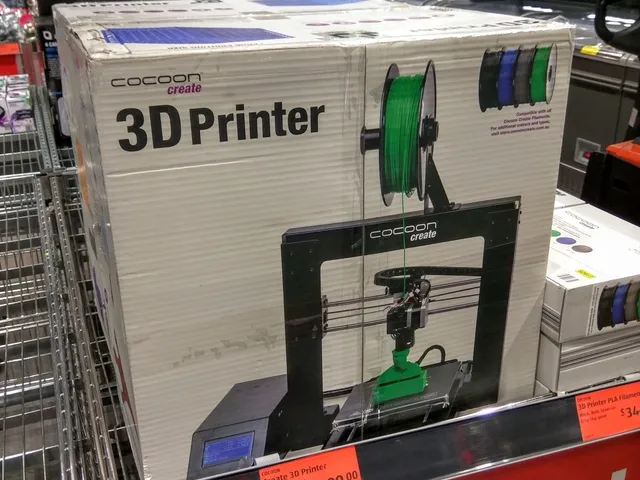
Do 3D printers drop in price after launch? 8 of 15 got an official US list-price cut below launch, a median 7.5 months after release. Dated cuts and rises.
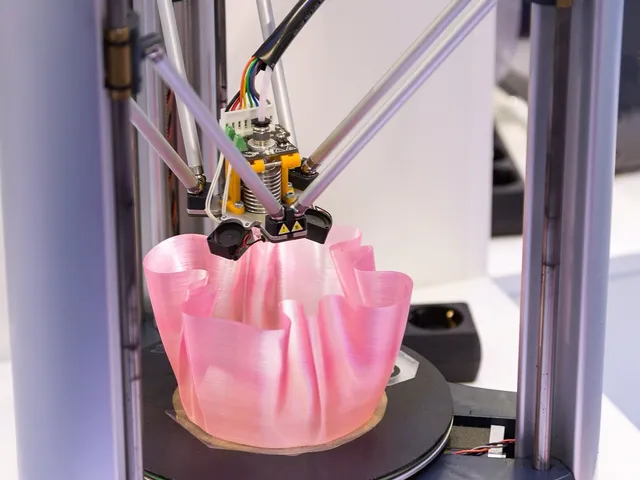
Cartesian vs CoreXY vs delta explained: how each motion system moves, what a bedslinger is, and the trade-offs in moving mass, footprint and build shape.
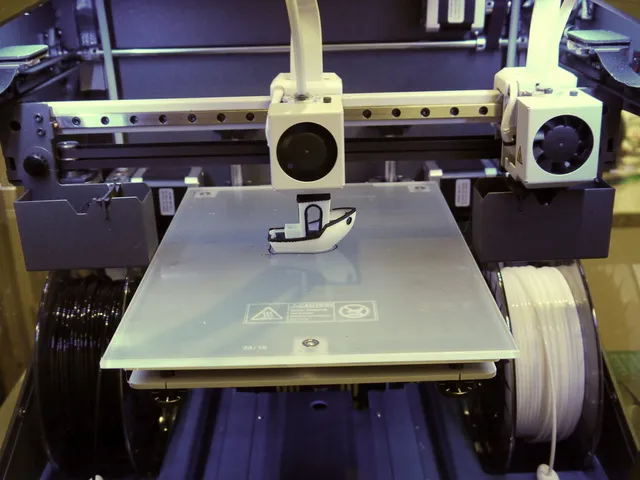
What an IDEX dual-extruder 3D printer is, how its mirror and duplicate modes work and shrink the print width, and how IDEX differs from other dual-nozzle designs.
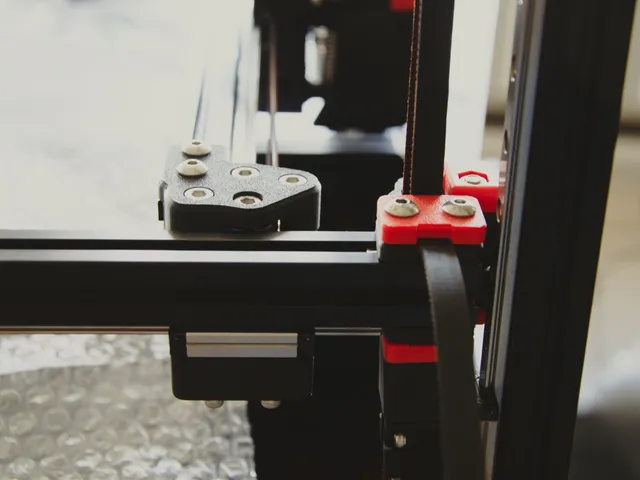
Linear rails, smooth rods and V-wheels compared: how each guide works, what a published test found, which printers use rails, and belt vs leadscrew Z.
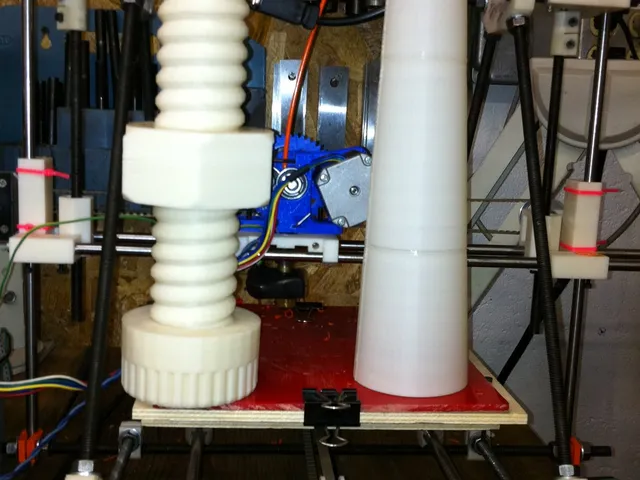
Not in one piece. You can split a model into parts and join them, or fit a long part diagonally. How slicer cut tools work, and when a bigger printer is the answer.
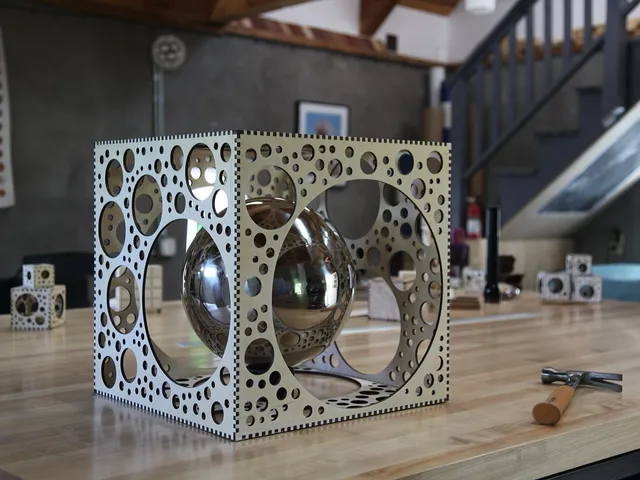
A 40 W laser module cuts 15 mm basswood plywood and a 10 W cuts 5 to 6 mm. Maker figures for speed, spot size, materials and price on Bambu Lab and Snapmaker.
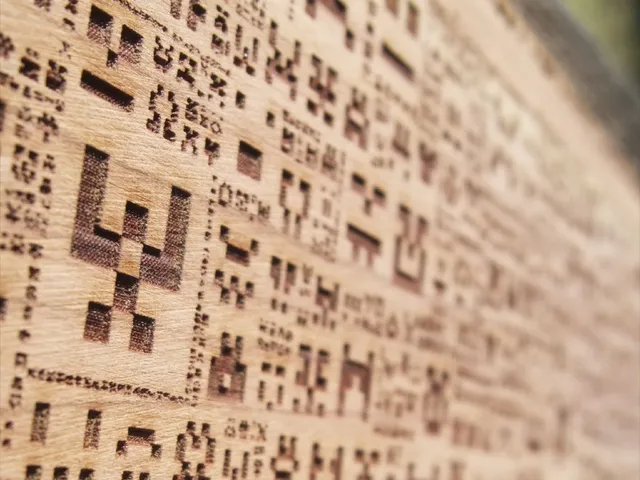
Which software runs the laser on each 3D printer laser combo: Bambu Suite on the Bambu Lab H2 series, Snapmaker Luban on Artisan and 2.0, and where LightBurn works.
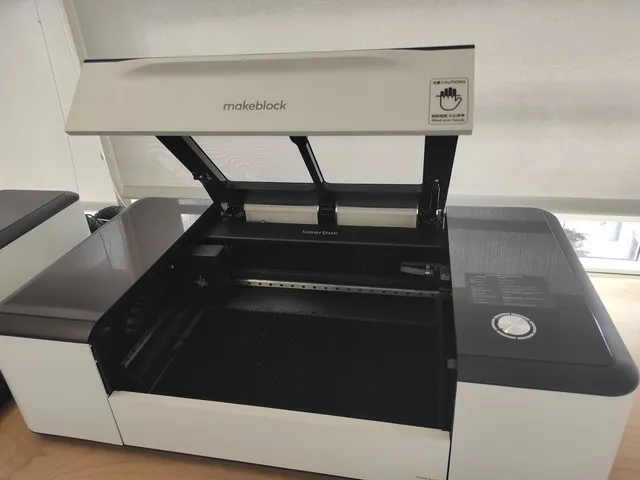
3D printer or laser engraver? One builds 3D parts from filament, the other burns and cuts sheet material. What each makes, what it uses, and what it costs.
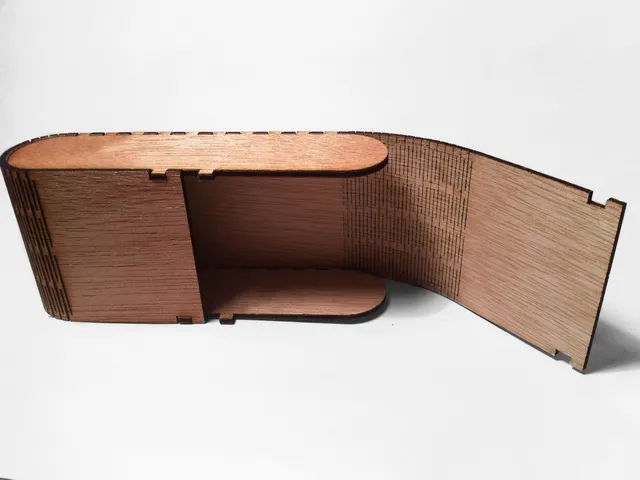
What the Bambu Lab H2D Laser Full Combo adds over the printer-only H2D, 10 W vs 40 W, the Laser Upgrade Kit for later, and US store prices.
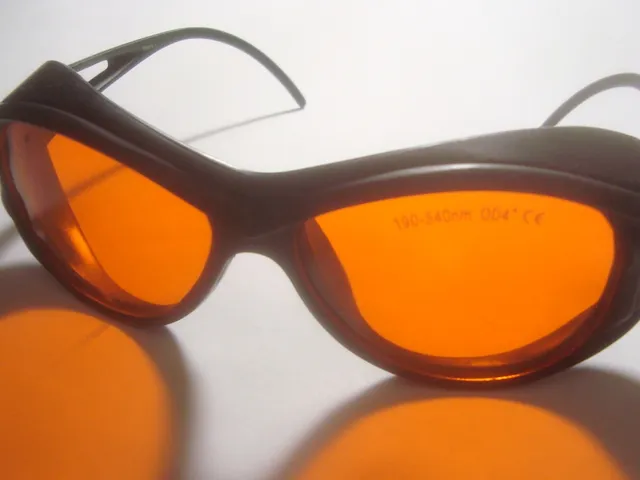
Why an open 10 to 40 W diode laser is Class 4, when an enclosed laser combo counts as Class 1, when you need laser glasses, and what to check before you buy.
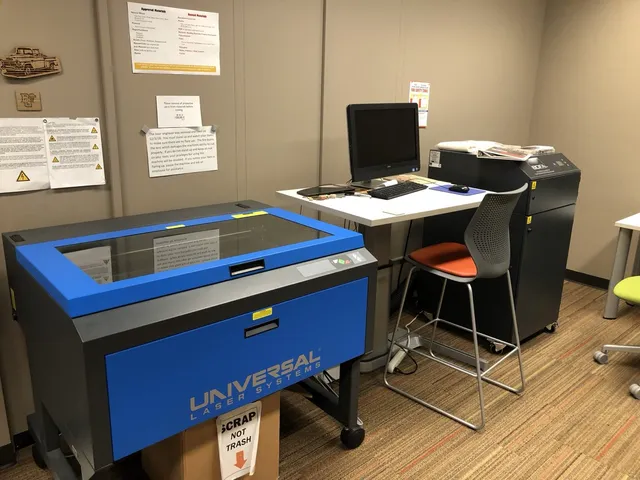
What laser engraving smoke contains, which materials you must never cut, and how desktop laser machines vent outdoors or filter smoke with HEPA and carbon.
A 3-in-1 3D printer swaps heads on one frame to 3D print, laser engrave and cut, and CNC carve. Which models have a CNC module, and what the modular design trades away.
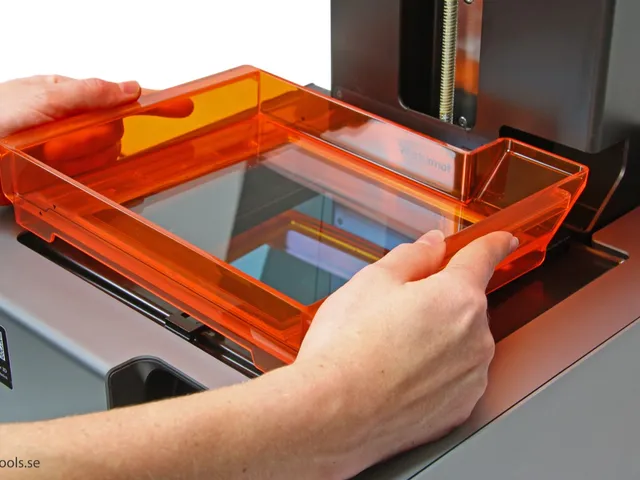
A 3D laser printer is a laser resin (SLA) printer, a laser powder (SLS, SLM) printer or an FDM printer with a laser module. How each works and which use lasers.
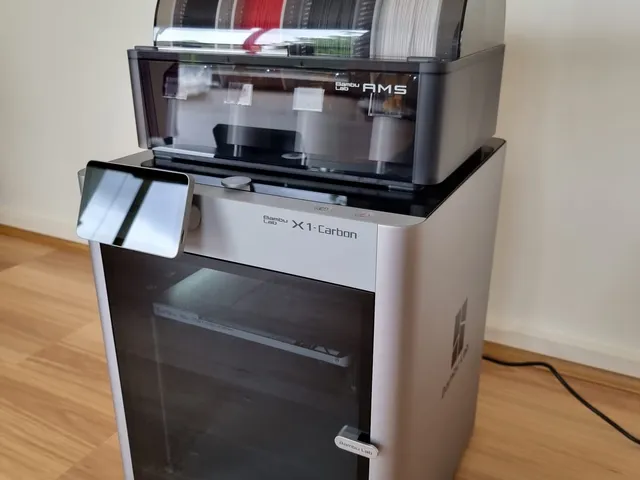
What to check when buying a used Bambu Lab printer: account unbinding, warranty terms, print time, the A1 recall, end-of-life dates and AMS compatibility.
What refurbished means on a 3D printer, how it differs from used, and the warranty and return terms of US refurbished programs, from makers to Amazon and eBay.
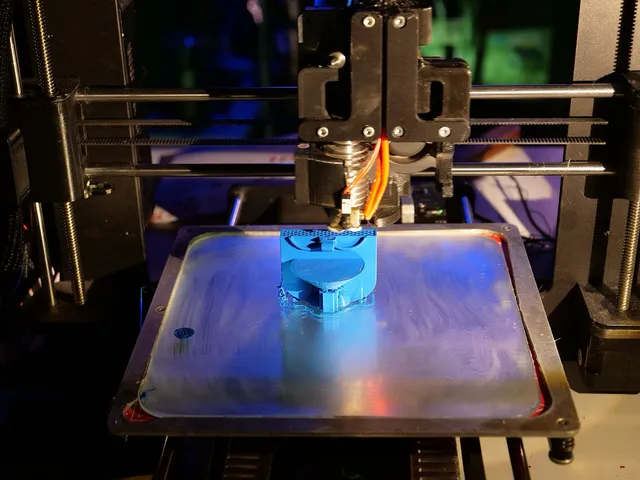
A used 3D printer inspection checklist: what to check before you go, questions to ask the seller, physical checks, a test print in person and the red flags.
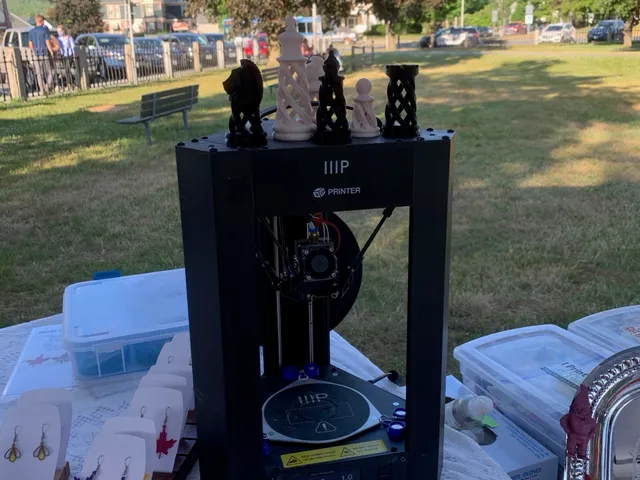
Where to buy a used 3D printer in the US: eBay, Facebook Marketplace, Craigslist, OfferUp and Mercari, with each platform's buyer protection from its own policy.
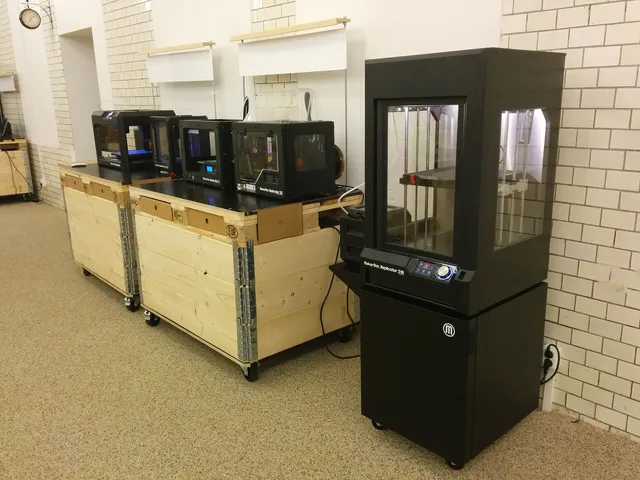
A heated chamber 3D printer has its own chamber heater, rated 60 to 65 °C on 12 shipping models. How it differs from a passive enclosure, and the 2021 patent expiry.
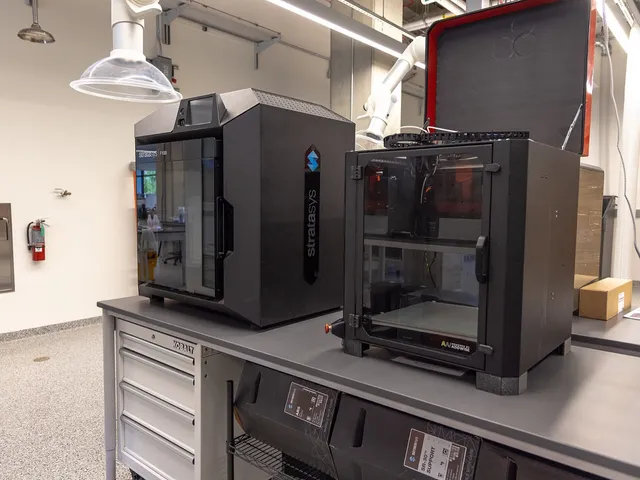
ABS, ASA, polycarbonate and nylon need an enclosure; PLA, PETG and TPU do not. What Bambu Lab, Prusa and Polymaker say per material, with bed and chamber figures.
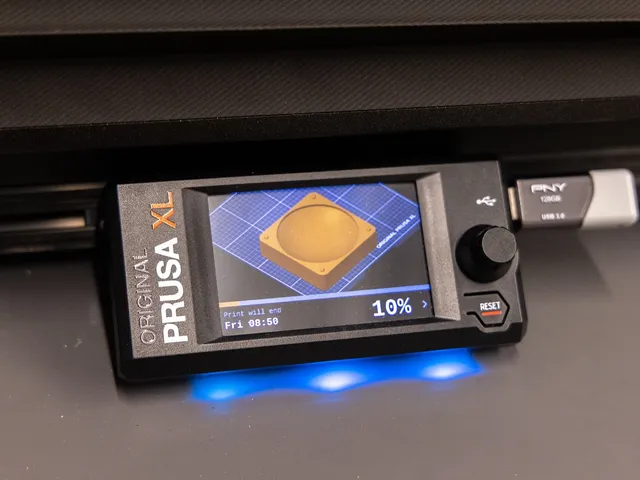
What connectivity options 3D printers have: Wi-Fi, Ethernet, USB, SD card, Bluetooth and cloud, plus LAN-only modes and what to check on a spec sheet.
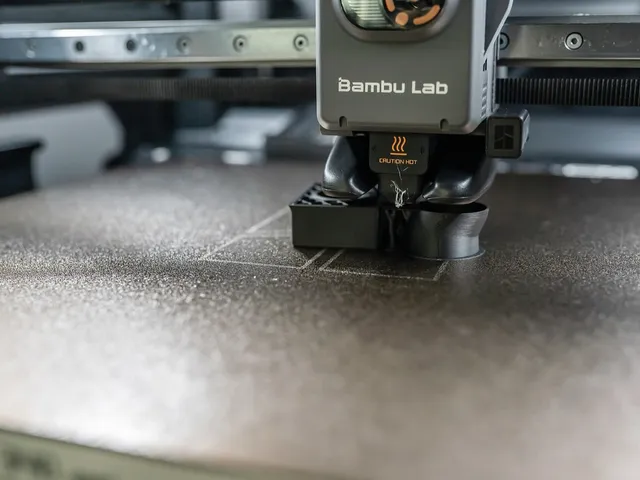
What a 3D printer's max hotend temperature means: what limits it, which nozzle temperatures common filaments need, and why all-metal hotends matter.
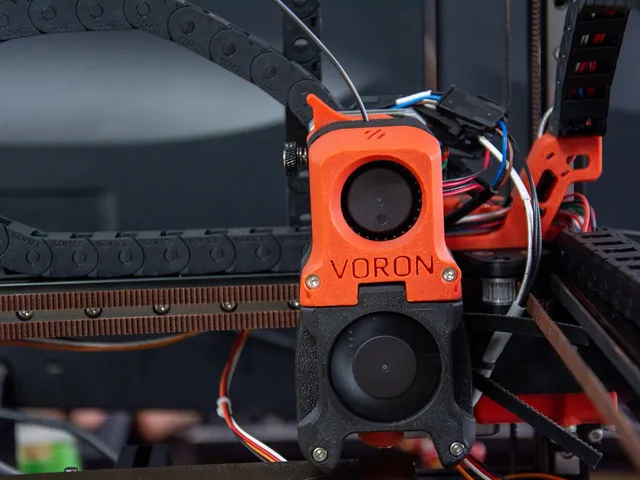
Why fast 3D printers need input shaping: what causes ringing, how Klipper, Marlin, Prusa and Bambu Lab firmware cancel it, and what else limits quality at speed.
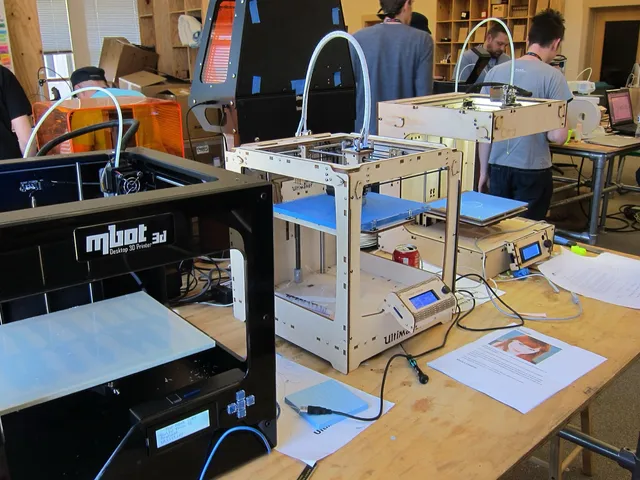
How to compare 3D printers before buying: which specs matter most, how to read a spec sheet, and the gotchas behind build volume, speed and enclosure claims.
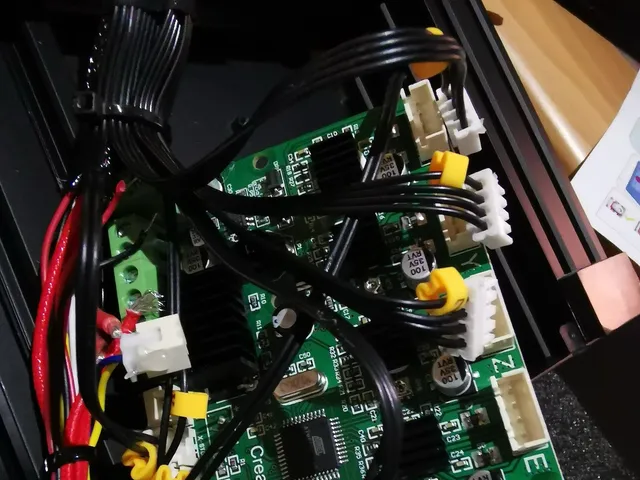
Open firmware vs closed firmware printers explained: Marlin, Klipper, Prusa Firmware Buddy and proprietary firmware, and what open source changes for owners.
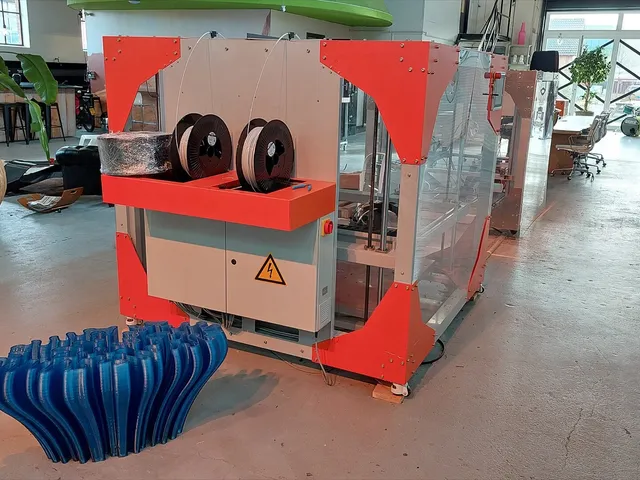
What size 3D printer do you need? How build volume works, whether 220 x 220 is enough, usable vs advertised volume, and size classes by use case with examples.