Which motion system suits tall and heavy prints?
Tall and heavy prints by motion system: why a bedslinger's moving bed shakes tall parts, what CoreXY, gantry and delta printers do instead, and the tallest of each.
Input shaping, or resonance compensation: how printers cancel ringing at high acceleration, and which firmware offers it.
6 entriesUpdated
Tall and heavy prints by motion system: why a bedslinger's moving bed shakes tall parts, what CoreXY, gantry and delta printers do instead, and the tallest of each.
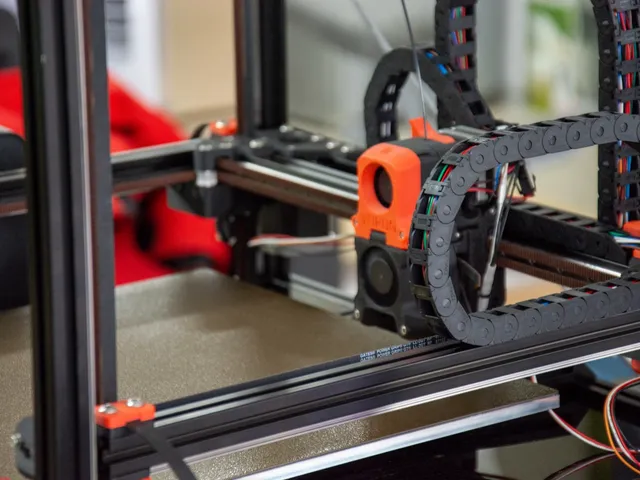
Why CoreXY 3D printers accelerate harder than bedslingers: moving mass, resonance and makers' acceleration claims, plus the bedslingers that match them.
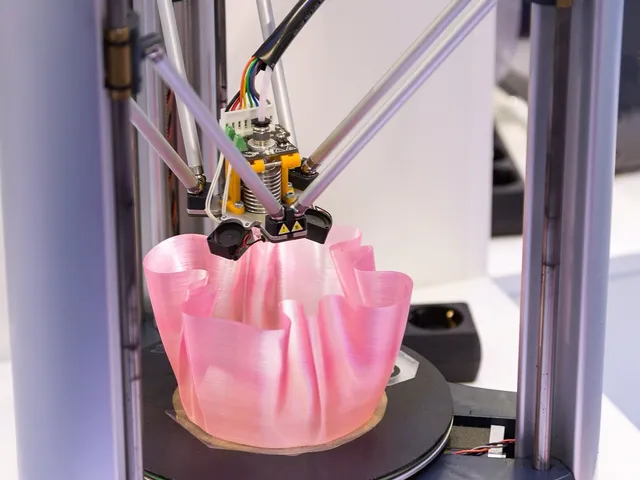
Cartesian vs CoreXY vs delta explained: how each motion system moves, what a bedslinger is, and the trade-offs in moving mass, footprint and build shape.
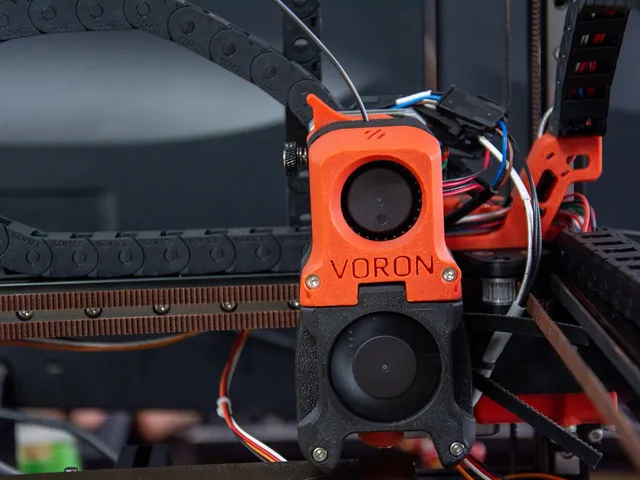
Why fast 3D printers need input shaping: what causes ringing, how Klipper, Marlin, Prusa and Bambu Lab firmware cancel it, and what else limits quality at speed.
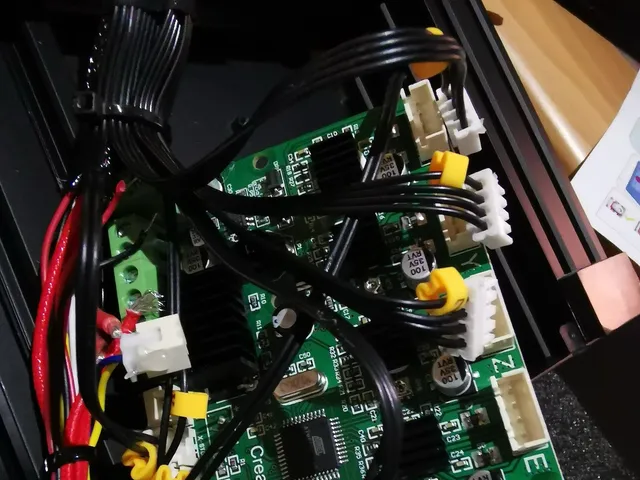
Open firmware vs closed firmware printers explained: Marlin, Klipper, Prusa Firmware Buddy and proprietary firmware, and what open source changes for owners.